

A good matcha clay mask UAE can genuinely change how your skin looks and feels, but only if you're using it right. Most people just slap it on, wait until it's rock hard, then scrub it off and wonder why their face feels tight and irritated afterward. That's not how it's supposed to work.
Matcha brings antioxidants like EGCG to the table, which help calm redness and fight the everyday damage from pollution and sun exposure. The clay, usually kaolin clay or bentonite clay, does the grunt work, pulling oil, dirt, and buildup out of your pores. Together, they make one of the more effective clay face mask combinations for oily, congested, or dull skin.
Here's exactly how to get the most out of it.
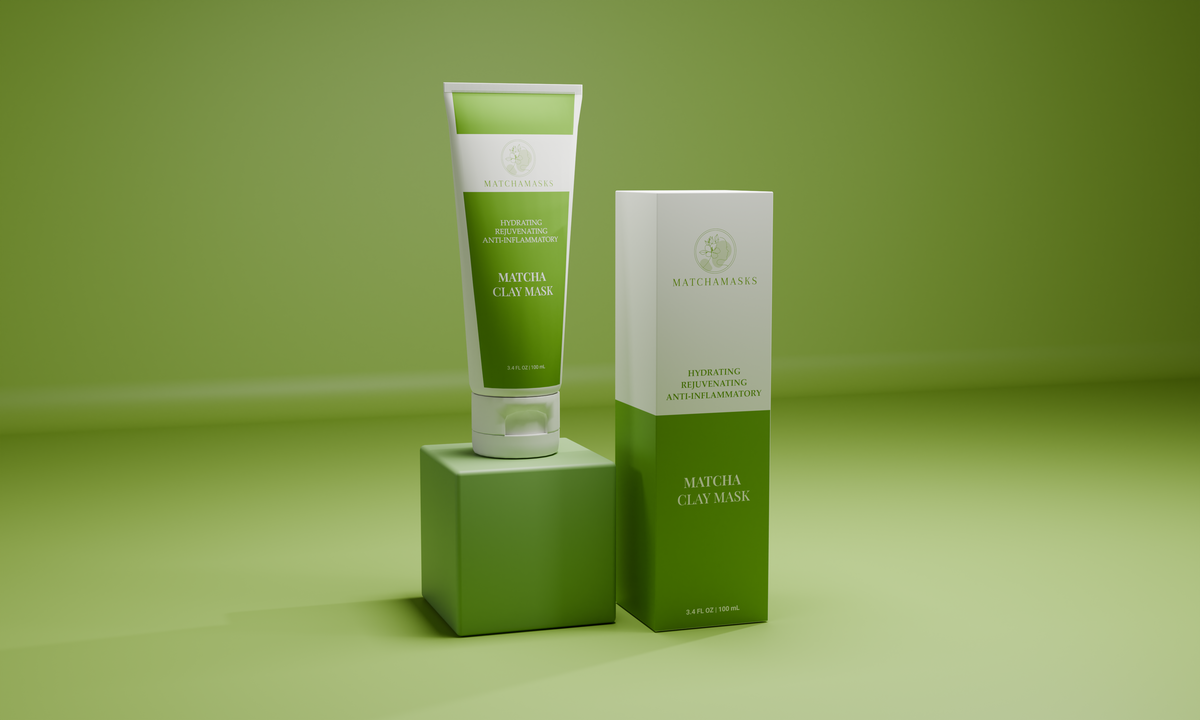
What This Mask Actually Does For Your Skin
- Draws out oil, dirt, and everyday grime your cleanser misses
- Helps calm breakouts and reduce the look of clogged pores
- Antioxidants from matcha help fade that dull, tired look
- Keeps oily and combination skin more balanced over time
- Doesn't feel harsh when you use it the right way
Before You Start
You don't need much, just your UAE matcha clay mask, a mask brush or clean fingers, lukewarm water, a towel you don't mind getting a bit messy, and a moisturizer for after.
Step By Step: How To Apply It Properly
1. Start with a clean face
Wash off makeup, sunscreen, and the day's grime with your regular cleanser and pat dry. Putting clay on top of dirty skin just means the mask spends its energy fighting through that layer instead of actually working on your pores.
Like Our Facebook Page Follow Us On Instagram
2. Keep The Layer Thin
It's tempting to pile it on thick thinking it'll work harder, it won't. A thin, even coat is all you need. Brush or fingers both work fine, just avoid the eye area and lips.
3. Give It 10 To 12 Minutes, No More
This is the step people mess up the most. Clay masks are meant to come off while they're still a little damp, not once they've gone completely stiff and started cracking. If it's tugging at your skin or flaking off on its own, you've left it too long, and that tight, "squeaky clean" feeling afterward is usually just your skin barrier getting stripped.
4. Rinse It Off Gently
Lukewarm water, small circular motions, no scrubbing. Hot water sounds satisfying but it'll leave your skin red and irritated. Pat dry instead of rubbing.
5. Moisturize Right Away
Clay is good at pulling oil out, sometimes a little too good. Follow up with a moisturizer or face oil while your skin is still slightly damp so it doesn't feel tight for the rest of the day.
6. Don't Use It Every Day
Two to three times a week is the sweet spot. Daily use tends to backfire, your skin gets overworked instead of clearer. Most people start noticing a difference in their skin's texture and tone within a couple of weeks of sticking to this routine.
Ritualx Easy Life
A Few Things Worth Knowing
If you've got sensitive skin, patch test it on your inner arm first before putting it on your face. Applying to slightly damp skin makes it easier to spread evenly. And if your skin's on the drier side, pairing the mask with a hydrating serum afterward makes a noticeable difference, clay masks aren't just for oily skin, they just need a bit more aftercare on drier types.
Ready To Try It?
That's really all there is to it, cleanse, apply thin, wait, rinse, moisturize, repeat a couple times a week. If you haven't picked one up yet, the UAE Matcha Clay Mask is a good place to start.
FAQs
How Often Should I Use A matcha Clay Mask?
Two to three times a week works best for most skin types. Using it daily tends to do more harm than good.
Is A Matcha Clay Mask Okay For Sensitive Skin?
Yes, generally, just patch test first and keep the time on your face closer to 8 minutes instead of the full 10-12.
Should The Mask Fully Dry Before I Wash It Off?
No. Rinse it while it's still a little damp. Letting it dry completely and crack pulls too much moisture from your skin.