

If you've moved to Dubai, Abu Dhabi, or Sharjah and noticed your skin feels tighter after every shower, more reactive than it used to be, or breaking out for no obvious reason, you're not imagining it. UAE tap water affects your skin in ways that most people never think to question, because the water is technically safe to drink and looks completely clean coming out of the tap.
The truth is more complicated. Between desalination, remineralization, and the region's punishing heat and air-conditioning, your skin barrier is under constant, quiet pressure, and your daily wash routine might be making it worse, not better.
Why UAE Tap Water Is Different From What You're Used To
Almost all drinking and tap water across the Emirates comes from desalinated seawater. Once the salt is stripped out, the water is put through a remineralization process before it reaches your building, which reintroduces minerals like calcium and magnesium so the water doesn't corrode pipes on its way to your tap.
That process is exactly why UAE tap water is classified as hard water. Reported hardness levels across Dubai typically fall somewhere between 200 and 400 mg/L of total dissolved solids, which is two to four times higher than what the World Health Organization considers "hard." On top of the mineral load, the water is also treated with chlorine to keep it safe for use, which is effective for disinfection but not particularly kind to skin.
So every time you wash your face, shower, or rinse off, your skin is exposed to a combination of dissolved calcium and magnesium plus chlorine, a mix that most skincare routines simply weren't designed to handle.
How UAE Tap Water Affects Your Skin
1. It Strips Your Skin Barrier
Hard water doesn't rinse away as cleanly as soft water. Instead of washing off completely, mineral ions bind with the surfactants in your cleanser or soap and leave a thin residue sitting on the surface of your skin. Over time, this interferes with your skin's natural moisture barrier, which is what's actually responsible for that tight, dehydrated feeling right after you dry your face.
2. It Causes Ongoing Dryness And Irritation
Chlorine, added to disinfect the water supply, has a genuine drying effect on skin, something even hair and skin specialists based in Dubai have pointed out when discussing local water quality. Combined with mineral buildup, this is a big part of why so many residents notice redness, itching, or flaking that seems to have no clear trigger.
3. It Can Worsen Breakouts And Clogged Pores
Mineral residue left behind by hard water doesn't just sit on top of your skin, it can mix with oil, sweat, and sunscreen to clog pores. If you've moved to the UAE and suddenly started breaking out despite using the same products that worked fine back home, your water is a realistic suspect.
4. It Accelerates Visible Signs Of Ageing
A compromised skin barrier is more vulnerable to oxidative stress, especially when it's already dealing with intense UAE sun exposure and constant AC-dried indoor air. Over months and years, that combination is linked to premature fine lines, uneven texture, and a duller overall complexion.
5. It Makes Pigmentation And Post-Breakout Marks Harder To Fade
When your barrier is stressed, inflammation lingers longer than it should. That means blemishes and irritation are more likely to leave behind dark marks, and those marks take longer to heal, a frustrating cycle for anyone already dealing with UAE tap water related sensitivity.
Signs Your Skin Is Reacting To UAE Tap Water
- Skin feels tight or squeaky immediately after washing
- New or worsening breakouts since arriving in the UAE
- Redness or itchiness that shows up after showering
- Moisturizer seems to "sit" on top of skin instead of absorbing
- Dullness or rough texture that wasn't there before
- Makeup or sunscreen doesn't apply as smoothly as it used to
If two or more of these sound familiar, your water, not your products, could be the root cause.
What To Do About It
The good news is you don't need to overhaul your entire life to protect your skin from UAE tap water. A few targeted changes make a real difference.
Switch To A Gentle, pH-Balanced Cleanser
Skip foaming, sulfate-heavy face washes. They strip whatever moisture your barrier has left after dealing with hard water all day. Look for a cleanser designed to lift oil, SPF, and daily buildup without disturbing your skin's natural pH.
Add A Weekly Detox Step
Since mineral residue tends to build up gradually, a weekly deep-cleansing mask helps pull out impurities and excess oil before they clog your pores, without over-drying skin that's already under stress from hard water.
Layer On Barrier-Supporting Hydration
Ceramides, glycerin, hyaluronic acid, and antioxidants like the polyphenols found in matcha all help rebuild what hard water strips away. Apply these while skin is still damp to lock in moisture more effectively.
Consider A Shower Filter
A shower filter can meaningfully reduce chlorine contact with your skin, though it's worth knowing it won't remove dissolved hardness minerals — that requires a whole-property water softener. Even a partial fix is a worthwhile upgrade if you're dealing with daily irritation.
Stay Hydrated From The Inside Too
Drinking filtered or bottled water supports your skin barrier from within, which matters even more when the water touching your skin externally is working against you.
Build A Routine That Works With UAE Water, Not Against It
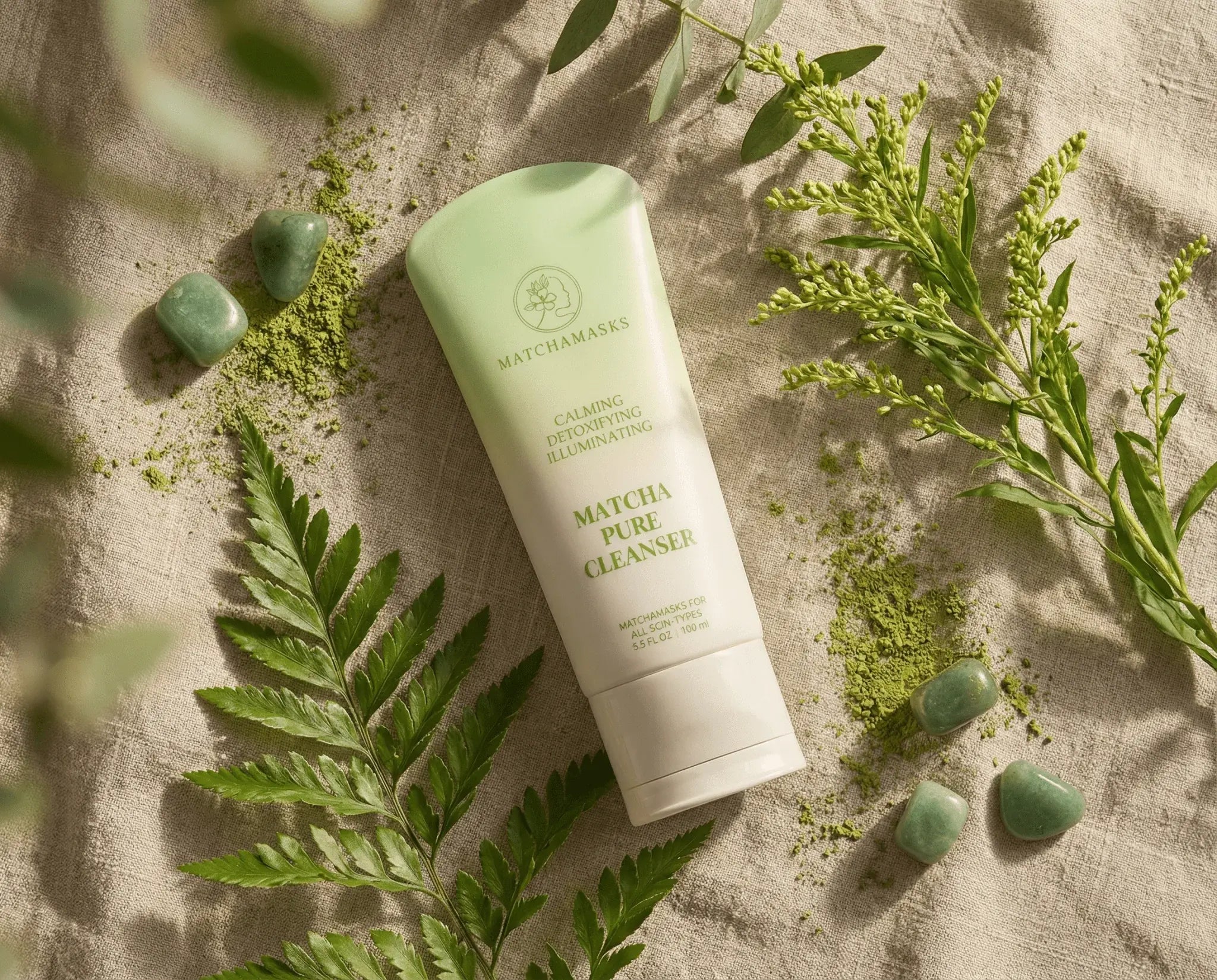
This is exactly why we built UAE MatchaMasks around ingredients that actively support the skin barrier instead of stripping it further. Our Matcha UAE Pure Cleanser is a pH-balanced, antioxidant-rich daily wash formulated to remove oil, SPF, and buildup without leaving skin feeling tight — a common issue for anyone dealing with hard, chlorinated UAE tap water.
Pair it with the Matcha Clay UAE Mask once or twice a week. It combines ceremonial-grade matcha with French green clay to draw out mineral residue, oil, and impurities that build up from daily exposure to UAE tap water, without disrupting your skin's moisture barrier.
Shop the full Matcha Ritual UAE bundle and give your skin a routine that's actually built for this climate and this water.
For a deeper dive into seasonal skin stress, read our guide on the best face mask for UAE summer skin, or find out how often you should really be using a matcha cleanser if you're washing your face more than once a day.
Frequently Asked Questions
Is UAE Tap Water Safe To Whower With?
Yes. DEWA and other local authorities confirm the water meets drinking water standards. The concern isn't safety, it's the drying, barrier-disrupting effect of hardness and chlorine on skin over time.
Why Does My Skin Feel Different Since Moving To The UAE?
Most people notice tighter, more reactive skin within the first few months of exposure to hard, chlorinated tap water combined with heat, AC, and sun, even if their skincare routine hasn't changed.
Do I Need A Water Softener For My Whole Home?
Not necessarily. A shower filter reduces chlorine exposure at the point of contact, which helps skin and hair. A whole-property softener is a bigger investment but addresses hardness more completely.
Can Matcha Skincare Help With Hard Water Damage?
Matcha is rich in catechins and polyphenols, antioxidants that help defend skin against oxidative stress, useful when your barrier is already under pressure from mineral-heavy water and UAE sun exposure.
The Bottom Line
UAE tap water affects your skin more than most residents realize — through hardness minerals, chlorine, and the barrier disruption that follows. You can't change what comes out of the tap, but you can build a routine designed to counter it: a gentle cleanser, a weekly detox mask, barrier-repairing hydration, and — if you can swing it — a shower filter.
Start with your cleansing step. Explore MatchaMasks' skincare ritual and give your skin what it actually needs to stay balanced in this climate.