

If you've scrolled through your favorite skincare shelf lately, chances are you've spotted a jar of vivid green paste labeled "matcha clay mask." It's not just a pretty color trend, this pairing of Japanese green tea powder and mineral-rich clay has quietly become one of the most talked-about matcha clay mask benefits UAE stories in skincare right now. But does it actually earn the hype, or is it just another green smoothie for your face?
Let's break down what's really happening on your skin when you use one.
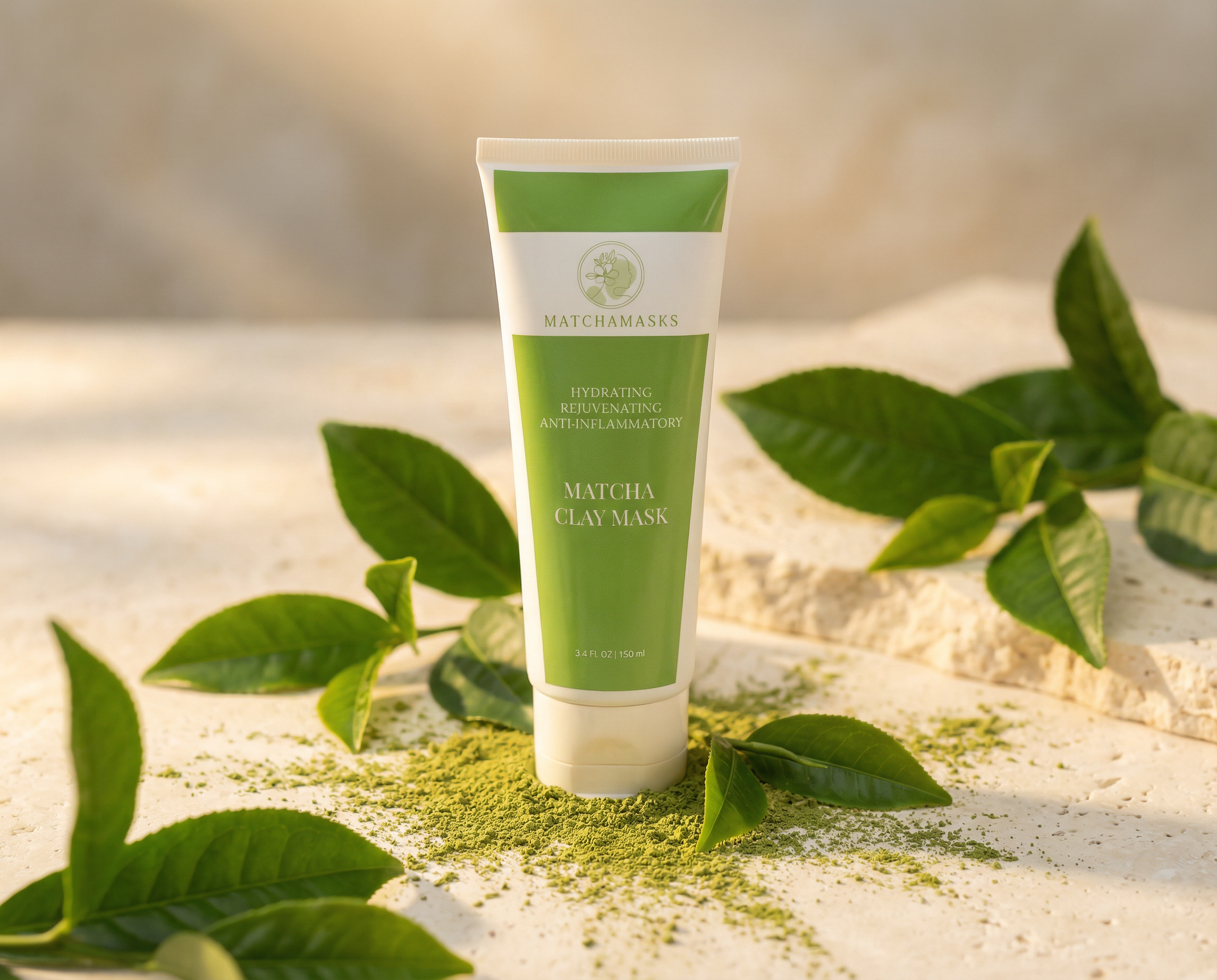
What Exactly Is A Matcha Clay Mask UAE?
A matcha clay mask combines finely ground matcha green tea leaves with purifying clays, usually kaolin, bentonite, or a blend of both. The clay does the heavy lifting of drawing out oil and debris, while the matcha brings a dose of antioxidants, chlorophyll, and calming compounds to the table. Together, they create a mask that cleanses without leaving skin feeling stripped or tight, which is where a lot of traditional clay masks fall short.
Check Our Blog Section for Latest Articles!
The Real Matcha Clay Mask Benefits For Your Skin
1. Deep Pore Cleansing And Oil Control
The clay base is the workhorse here. Kaolin and bentonite clays are naturally absorbent, pulling excess sebum, sweat, and daily grime out of your pores like a magnet. This is why a clay mask for oily skin is such a popular pairing, it helps mattify shine and can visibly minimize the look of clogged or enlarged pores after just a few uses.
2. Antioxidant Protection
Matcha is loaded with catechins, particularly EGCG (epigallocatechin gallate), which is one of the most studied antioxidants for skin. These compounds help neutralize free radicals from sun exposure, pollution, and everyday stress, the kind of environmental damage that quietly accelerates fine lines and dullness over time. Applying it topically via a mask lets your skin absorb these antioxidants directly.
3. Calming Redness And Irritation
Unlike some clay masks that can feel harsh or drying, matcha brings a soothing skincare effect to the formula. Green tea compounds have natural anti-inflammatory properties, which is why this combination tends to work well even on skin that's prone to sensitivity, redness, or occasional breakouts, something straight bentonite clay alone can sometimes aggravate.
4. Brightening And Evening Out Tone
Regular use of a matcha-based mask is often associated with a skin brightening routine, thanks to the way its antioxidants and mild exfoliating action support cell turnover. Skin tends to look more even and less dull, without the harsh sensitivity that comes with stronger chemical brighteners.
5. Balancing Without Over-Drying
This is arguably the biggest matcha clay mask benefit compared to older-school clay formulas. Traditional clay masks can leave skin feeling tight and dehydrated, especially if left on too long. Matcha's hydrating plant compounds help offset that, so you get the detoxifying clay mask effect without the post-mask tightness.
Like Our Facebook Page Follow Us On Instagram
6. A Calmer, Spa-Like Ritual
Beyond the ingredient list, there's something to be said for the experience itself. Taking ten minutes to apply a mask, let it work, and rinse it off is a small act of self-care skincare ritual that plenty of people find genuinely relaxing, and consistency is half the battle in any skincare routine.
Ritualx Easy Life
How To Get The Most Out Of It
- Apply to clean, dry skin in an even layer, avoiding the eye and lip area.
- Leave it on for 8–12 minutes, enough time to work, not so long it fully dries and cracks.
- Rinse with lukewarm water and follow immediately with a moisturizer to lock in hydration.
- Use it 1–3 times a week depending on your skin type; oilier skin can typically handle it more often, drier skin less.
Final Thoughts
A UAE matcha clay mask isn't a miracle in a jar, but it's a genuinely well-rounded step for anyone chasing clearer pores, a calmer complexion, and a bit of antioxidant insurance against everyday environmental stress. It bridges the gap between deep-cleansing clay and gentle, skin-loving green tea, which is exactly why it's earned its spot as a skincare staple rather than a passing trend.
FAQs
How Often Should I Use A Matcha UAE Clay Mask?
Most skin types do well with 1–3 times a week. Oily or congested skin can often tolerate it more frequently, while dry or sensitive skin should start with once a week and adjust based on how skin responds.
Can A Matcha Clay UAE Mask Help With Acne?
Yes, to an extent. The clay component absorbs excess oil and impurities that can contribute to breakouts, while matcha's anti-inflammatory properties may help calm existing blemishes. It's a supportive step, though it works best alongside a consistent full routine rather than as a standalone acne treatment.
Is A Matcha Clay Mask Suitable For Sensitive Skin?
Generally, yes, matcha's soothing properties make this type of mask gentler than plain bentonite or straight clay masks. That said, always patch-test a new product first, and avoid leaving it on until it's completely dry, which can be irritating for reactive skin.