

Your skincare shelf is probably already crowded. Serums, acids, three different moisturizers you bought on a whim. So it might sound strange to hear that the ingredient your skin is actually missing could be sitting in your kitchen cabinet right now, that vivid green powder you've been drinking as a latte.
Matcha benefits for skin aren't just a wellness trend dressed up in marketing language. This finely ground Japanese green tea comes loaded with antioxidants, chlorophyll, and a handful of compounds that dermatologists genuinely rate. Because matcha is made from the whole tea leaf rather than steeped and discarded like regular green tea, you get a much heavier dose of the good stuff. Some research points to matcha containing over a hundred times more EGCG than a standard cup of green tea (see Healthline's breakdown for more on this).
If your skin has been dull, breakout-prone, or just tired-looking lately, here are seven reasons matcha might be worth a spot in your routine.
Like Our Facebook Page Follow Us On Instagram
1. It's Loaded With Antioxidants
This is really the whole story behind why matcha works. Its high concentration of catechins, especially EGCG, gives it serious power against free radicals, the unstable molecules responsible for a lot of the dullness, uneven texture, and early aging most of us blame on "just getting older." Pollution, sun, stress, even blue light from your phone all generate free radicals, and matcha's antioxidants for skin help intercept that damage before it settles in permanently.
2. It Calms Redness Fast
If your face flushes at the smallest provocation, a spicy meal, a new product, plain old stress, matcha's anti-inflammatory compounds are worth knowing about. They ease redness and puffiness without the sting that a lot of "calming" actives ironically deliver. People with rosacea-prone or reactive skin tend to notice this one first, because matcha soothes without stripping the skin barrier the way harsher treatments often do.
Check Our Blog Section for Latest Articles!
3. It Keeps Breakouts In Check
Here's a detail most people miss: EGCG doesn't just fight free radicals, it also seems to help regulate how much oil your skin produces. Pair that with chlorophyll's natural antibacterial qualities, and matcha ends up tackling acne-prone skin from a couple of angles at once, oil control and bacteria, rather than just one or the other.
What makes it different from a typical acne treatment is that it doesn't leave skin tight or flaky afterward. It balances rather than strips.
4. It Adds A Layer Of Environmental Protection
To be clear, matcha is not sunscreen and never will be. But its chlorophyll content does give it some ability to buffer against UV-related stress and everyday pollution, which is part of why it keeps showing up in anti-aging skincare conversations. Think of it less as protection and more as backup, something that works alongside your SPF, not instead of it.
Used consistently, it can help soften the visible effects of sun exposure over time, including patchy pigmentation and that flat, tired look skin gets after a long summer.
5. It Supports Collagen Production
Firm skin isn't really luck, collagen does most of that work, and it declines steadily as we age. Matcha contains vitamin E and B2, both of which play a role in supporting collagen synthesis. That's a meaningful thing to have in your skincare routine if you're trying to keep skin looking structured rather than soft and sagging.
6. It Brightens Dull, Tired Skin
Dullness usually comes down to two things: sluggish circulation and a buildup of dead skin cells. Matcha helps with both. Its antioxidants improve blood flow near the surface of the skin, and when used in mask form, it has a mild exfoliating effect that clears away the buildup responsible for that "flat" look.
It's why so many matcha face mask products get marketed around instant glow, the difference really is visible after one use, and it only gets better with consistency.
7. It Draws Out Impurities
Chlorophyll isn't just a nice-sounding ingredient on a label, it works as a genuine detoxifier, pulling excess oil and trapped pollutants out of your pores. That's the reason matcha clay masks in particular have become a go-to for anyone dealing with congestion, oiliness, or combination skin that never quite feels clean.
Why Matcha Masks Is The Better Option Here
Knowing matcha is good for skin is one thing. Getting those benefits from an actual product is another matter entirely, and that's where a lot of "matcha-inspired" skincare falls short, diluted concentrations, filler ingredients, marketing over substance.
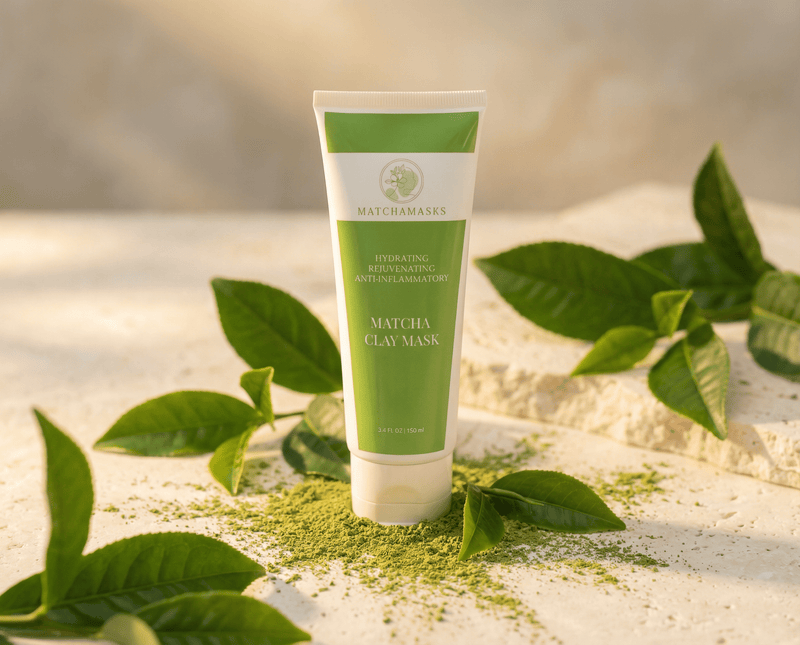
Matcha Masks doesn't cut those corners. It's formulated with premium, shade-grown matcha at concentrations strong enough to actually deliver the antioxidant and anti-inflammatory effects your skin is looking for, without stripping your barrier or leaving skin tight afterward.
A few things worth knowing:
- Premium-grade matcha sourced specifically for its antioxidant potency
- Formulated to detoxify pores without dryness or tightness
- Noticeable pore refinement reported after the very first use
- Plant-based and cruelty-free, built for regular, repeatable use
If you've been stacking serum on serum without much to show for it, this is a simpler fix than most people expect.
Curious what it feels like? Shop the Matcha Clay Mask and give your skin an actual antioxidant reset.
FAQs
Can I Put Matcha Directly On My Skin?
You can, plenty of people mix matcha powder into a DIY mask at home. That said, a properly formulated matcha product tends to deliver more consistent results and is usually gentler than a raw kitchen mix, since the concentration and pH are actually balanced for skin.
How Often Should I Use A Matcha Mask?
Two to three times a week works for most skin types. If your skin leans sensitive or reactive, start once a week and build up from there once you know how it responds.
Does Matcha Actually Help With Oily Or Acne-Prone Skin?
Yes, it helps regulate oil production and has natural antibacterial properties, so it tends to work well for oily and acne-prone skin without the over-drying effect a lot of acne treatments cause.